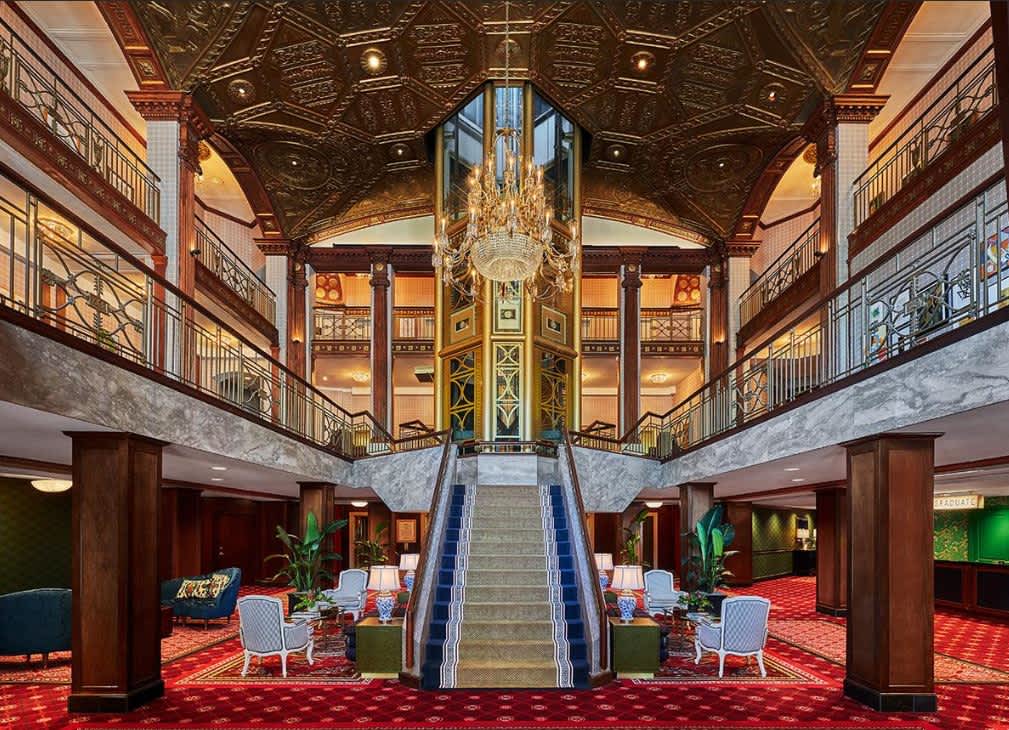








Tucked along the shores of Narragansett Bay, in Bristol, is a property where history lingers in the air, daffodils bloom by the thousands each spring, and the echoes of Gilded Age summers still drift through grand, sun-filled rooms. Blithewold Mansion, Gardens & Arboretum is more than just another stately home it’s a living, breathing piece of Rhode Island’s past, with roots stretching back to the late 19th century and a calendar packed with modern-day events.
From Coal Fortune to “Happy Woodland”
The story begins in 1894, when Augustus Van Wickle, a coal-mining magnate from Hazleton, Pennsylvania, purchased the estate as a summer retreat for his family. The name “Blithewold” Old English for “happy woodland” was borrowed from a house they had rented in Sea Bright, New Jersey, in 1887, and it’s a fitting tribute to the property’s tranquil, tree-filled landscape.
Drawn by the bay’s cooling breezes and panoramic views, Augustus and his wife Bessie sought an escape from the pressures of industry and city life. The land’s location was ideal not just for its beauty, but also for recreation and hospitality. Augustus was especially attracted to the sheltered cove, perfect for their beloved steam yacht, and the rolling lawns that offered ample space for gardens, outdoor gatherings, and family enjoyment.
From the very beginning, this was imagined as a place of happiness, relaxation, and natural beauty a spot where family and friends could gather, stroll the grounds, and enjoy the outdoors. The Van Wickles planted specimen trees and designed gardens to reflect both their appreciation for European landscapes and the American spirit of innovation. Their vision set the tone for a property that would become known for its horticultural treasures and gracious welcome.
Augustus left his mark on Rhode Island in other ways, including a major gift: the iconic Van Wickle Gates at Brown University. He selected the estate’s location specifically because the cove allowed for safe mooring of the family’s prized steam yacht.
Fire, Rebirth, and Enduring Legacy
The original Queen Anne-style mansion was completed in 1896, but disaster struck a decade later. In June 1906, a slow-moving fire destroyed the house. Remarkably, all of the furniture and furnishings were saved, and plans to rebuild started almost immediately. By 1907, a grander, more fire-resistant structure rose from the ashes designed to echo an English country manor, complete with modern amenities for the time.
Augustus, sadly, never saw this new chapter. He died in 1898, leaving his wife, Bessie, and their daughter Marjorie to carry on the family legacy. Over the next several decades, the estate became a classic example of the “Country Place Era” a period when America’s wealthy built elaborate estates as escapes from city life.
Inside the Mansion: Grandeur and Daily Life
The estate stretches across 33 acres of pristine waterfront, making it one of the largest and most complete examples of a Country Place Era property in America. The mansion itself offers a rare glimpse into the gracious living of the early 1900s, with many original rooms open to the public.
Visitors can explore the impressive entrance hall, where guests were once welcomed under the glow of leaded glass windows and a grand staircase. The living room—often filled with sunlight features period furnishings, family portraits, and views out to the great lawn and Narragansett Bay. The dining room, set with fine china, hints at the elegant dinners and afternoon teas that were once regular affairs. The library is lined with dark wood bookcases and cozy chairs, a reminder of evenings spent reading or entertaining.
Upstairs, the bedrooms are furnished with antiques, textiles, and personal items that belonged to the Van Wickle and McKee families, adding a personal touch to the house’s story. Special exhibits sometimes showcase fashion, photographs, or letters from the family’s archives, offering an intimate look at daily life during the Gilded Age.
Other highlights include the butler’s pantry with its original cabinetry and silver and the sun porch, perfect for imagining a quiet morning with tea and a garden view. Each space is thoughtfully preserved, allowing guests to step back in time and experience the blend of luxury and comfort that defined this coastal retreat.
Whether you’re drawn to the formal rooms, curious about the behind-the-scenes spaces, or eager to see the authentic architectural details, a mansion tour is a highlight of any visit.
Gardens, Arboretum, and the Enchanting Bamboo Grove
Beyond the mansion, the grounds offer even more for visitors to discover. The property is widely regarded as one of America’s finest, most authentic examples of a Country Place Era estate. Its 33 acres include much more than the stately residence. Guests can wander stone-walled gardens, explore a nationally recognized arboretum with rare and specimen trees, see whimsical stonework, and stroll along the waterfront.
There’s a Rose Garden, a Water Garden, and the Enclosed Garden, full of seasonal flowers and hidden benches. The Bamboo Grove, rare for New England, feels almost otherworldly. Planted in the early 1900s as part of an ongoing passion for collecting rare and exotic species, this thicket of giant bamboo is believed to be one of the largest and oldest in the region. Walking through the grove, with its towering stalks creaking softly in the wind and dappled light above, visitors often describe the experience as magical. Children play hide and seek among the canes, while photographers and nature lovers are drawn to the unique textures and sounds. During the summer, the bamboo is especially lush and offers a cool, shaded retreat from the sun.
The Bamboo Grove is just one more reason this special place feels like a retreat from the everyday world, blending horticultural curiosity and a playful spirit with serious botanical value.
Things to Do: Tours, Teatime, and Summer Concerts
The grounds are as vibrant now as they’ve ever been. Self-guided tours let visitors peek into rooms still filled with original furnishings and period artwork, while guided tours offer deeper dives into the stories of the families who called the mansion home and the evolution of the gardens.
But no visit is complete without experiencing the traditional afternoon tea. Held on the grand porch or in the sun-filled dining room, Tea & Scones is a favorite event. Think delicate sandwiches, homemade scones with clotted cream, and fragrant teas served on fine china. The experience channels the gracious entertaining style of the estate’s heyday and offers a relaxing way to soak in the garden views. Whether you’re celebrating a special occasion or just want to unwind in style, it’s a highlight for many visitors.
The mansion and gardens are open Monday through Friday, 9 a.m. to 5 p.m., with expanded hours and programs during the warmer months.
Events to enjoy and immerse yourself into.
-
Daffodil Days (April 1 through Mid-May ): This signature spring event features fields of blooming daffodils. It’s a rite of spring for locals and visitors alike.
-
Music at Sunset: Concert Series (various dates in June through August ): Every Wednesday evening, the Great Lawn fills with music lovers. Bring a picnic, a blanket, and enjoy performances against the backdrop of the bay.
-
Art and Nature Workshops: From watercolor and pastel classes to botanical walks-and-talks on the estate’s collection of rare trees, there’s a steady stream of educational programming to explore.
-
Seasonal Tea and Scones, Wine Tastings, and Family Days: These events blend old-fashioned hospitality with new opportunities to experience the estate’s beauty.
Fun Facts: From Steam Yachts to Daffodil Days
- The name really does mean “happy woodland” as a nod to the property’s peaceful, tree-filled setting.
-
The grounds once hosted a 45-foot steam yacht, and the cove on Narragansett Bay was chosen specifically for its ideal mooring conditions.
-
The gardens include one of the largest and oldest stands of giant sequoias on the East Coast, a transplant from California that’s thrived for over a century.
-
The famous Daffodil Days each April feature over 50,000 blooming bulbs, turning the landscape into a sea of yellow and gold.
Preserving History and Inspiring the Future
The property left family hands in 1976, but its spirit hasn’t faded. It is now managed by a nonprofit, ensuring that the gardens, arboretum, and mansion are protected for future generations. It’s a popular spot for weddings, photography sessions, and anyone chasing that elusive feeling of stepping back in time.
Visiting Blithewold: What to Know
-
Address: 101 Ferry Road, Bristol, RI
-
Hours: Monday–Friday, 9 a.m.–5 p.m. (check for seasonal changes)
-
Tours: Self-guided mansion and garden tours available; guided tours offered for an additional fee.
-
Accessibility: The main paths and mansion are accessible, with staff available to assist as needed.
Conclusion
This is more than a historic house it’s a living landscape that captures the spirit of Rhode Island’s Gilded Age and the enduring lure of a “happy woodland” by the sea. Whether you’re there for a music night, a springtime stroll among daffodils, a peaceful moment in the Bamboo Grove, or a leisurely tea on the porch overlooking the gardens, you’re stepping into a space where the past and the present are deeply intertwined.
For anyone with a love of gardens, history, or just a good day out, Blithewold remains a must-see in Bristol and a testament to the ways that the past can blossom into something very much alive today.