






Rhode Island may be the nation’s smallest state, but its impact on American history and what travelers can experience looms large. From colonial dissent to industrial innovation, the Ocean State offers visitors a rare chance to walk the streets, tour the sites and join the traditions that shaped the United States.
Step Into Revolutionary History in Providence
Start your journey in Providence, Rhode Island’s capital and oldest city. Founded by Roger Williams in 1636 as a refuge for religious freedom, Providence’s spirit of independence is visible at the Roger Williams National Memorial. Located downtown, this peaceful park honors Williams’s vision and is open year-round, with ranger-led programs in summer. A short walk away, the Rhode Island State House, with its marble dome, welcomes visitors for free guided tours on weekdays, offering a look at the state’s political legacy and stunning architecture.
The Gaspee Days: Reliving Rebellion in Pawtuxet Village
Every June, Rhode Island commemorates one of the earliest sparks of the American Revolution with the annual Gaspee Days celebration in Pawtuxet Village, Warwick. The Gaspee Days Parade, usually held the second Saturday in June, draws thousands to watch colonial reenactors march and to witness the dramatic burning of the HMS Gaspee replica. The event marks the 1772 attack on the British customs schooner a key moment in America’s path to independence. The celebration includes a colonial encampment, fireworks and an arts and crafts festival, letting visitors step into the past while enjoying a lively local tradition.
Slater Mill: The Birthplace of American Industry in Pawtucket
Just north of Providence, Pawtucket is home to Slater Mill the cradle of the American Industrial Revolution. Built in 1793, Slater Mill is now a National Historic Landmark and museum. Visitors can join guided tours from spring through fall, with demonstrations of 18th-century machinery and hands-on exhibits. The park’s walking paths along the Blackstone River connect history with nature, and seasonal events include family days and special programming for children.
Gilded Age Mansions and Fort Adams: Newport’s Historic Treasures
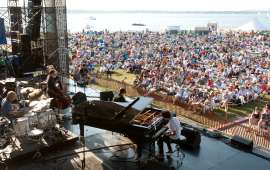
On Aquidneck Island, Newport showcases the opulence and architectural ambition of the Gilded Age. The Breakers, Marble House, and Rosecliff are open for self-guided audio tours year-round, each telling the story of the families who built them and the workers who kept them running. Don’t miss Fort Adams State Park, where guided tours take guests through underground tunnels and ramparts that once guarded the entrance to Narragansett Bay. The park hosts the Newport Jazz and Folk Festivals every summer, drawing music lovers to a site rich in both military and cultural history.
Bristol: America’s Oldest Fourth of July Parade
Bristol, a coastal town founded in 1680, is famous for its patriotic traditions. The Bristol Fourth of July Parade, held annually since 1785, is the oldest continuous Independence Day celebration in the United States. Festivities begin in June with concerts, a carnival and fireworks, culminating in the parade on July 4th. The historic downtown, lined with colonial homes and waterfront parks, is perfect for a summer stroll.
John Brown House Museum: The Complex Story of Commerce and Liberty
Back in Providence, the John Brown House Museum offers visitors a look at 18th-century life. The mansion, built in 1786, belonged to merchant and statesman John Brown. Guided tours explore the intersections of trade, politics and abolition, with exhibits on the Atlantic slave trade and the growth of American commerce. The museum is open year-round, with special events and rotating exhibits that encourage critical engagement with Rhode Island’s role in history.
White Horse Tavern: Dining in America’s Oldest Restaurant
For a taste of living history, dine at the White Horse Tavern in Newport. Established in 1673, it is the oldest operating restaurant in the country. The menu features fresh local seafood and classic New England fare, served in a candlelit, wood-beamed dining room. Reservations are recommended, especially during peak tourist season.
Gilbert Stuart Birthplace and Museum: Art and Nature in Saunderstown
Art and history lovers can visit the Gilbert Stuart Birthplace and Museum in Saunderstown, open seasonally from May through October. The restored 18th-century home of the famed portraitist offers guided tours, walking trails and a working gristmill on the grounds. Special events include art exhibits and colonial craft demonstrations.
Hidden History: Cemeteries, Battlefields and Unusual Landmarks
Rhode Island’s lesser-known sites add depth to any itinerary. Visit God’s Little Acre in Newport, one of the oldest African-American burial grounds in the country. In Exeter, the grave of Mercy Brown recalls the “vampire panic” of the 19th century, a quirky chapter in local folklore. The Great Swamp Fight Monument in South Kingstown marks the site of a pivotal clash during King Philip’s War, with interpretive signs and a tranquil setting for reflection.
How Rhode Island’s History Is Accessible Across the State
What makes Rhode Island unique isn’t just its deep history, but how accessible it is. The state’s small size means you can experience its colonial roots, industrial landmarks, and Gilded Age splendor all in a single trip. Most sites offer tours, events or immersive experiences, with many open year-round and others especially lively in spring and summer.
Whether you’re joining the Gaspee Days Celebrations, touring Slater Mill, or strolling Newport’s Cliff Walk, Rhode Island lets visitors see, touch and celebrate the places where American ideals took root. The Ocean State isn’t just a destination for history buffs it’s a living museum that invites everyone to participate.
Plan your visit around annual events for the richest experience and check each site’s website for current opening hours and tour availability. In Rhode Island, you’re never far from the next chapter of the American story.